
November 25, 2024
How Technology Has Transformed the Field of Nursing?
by Antony Thejewel
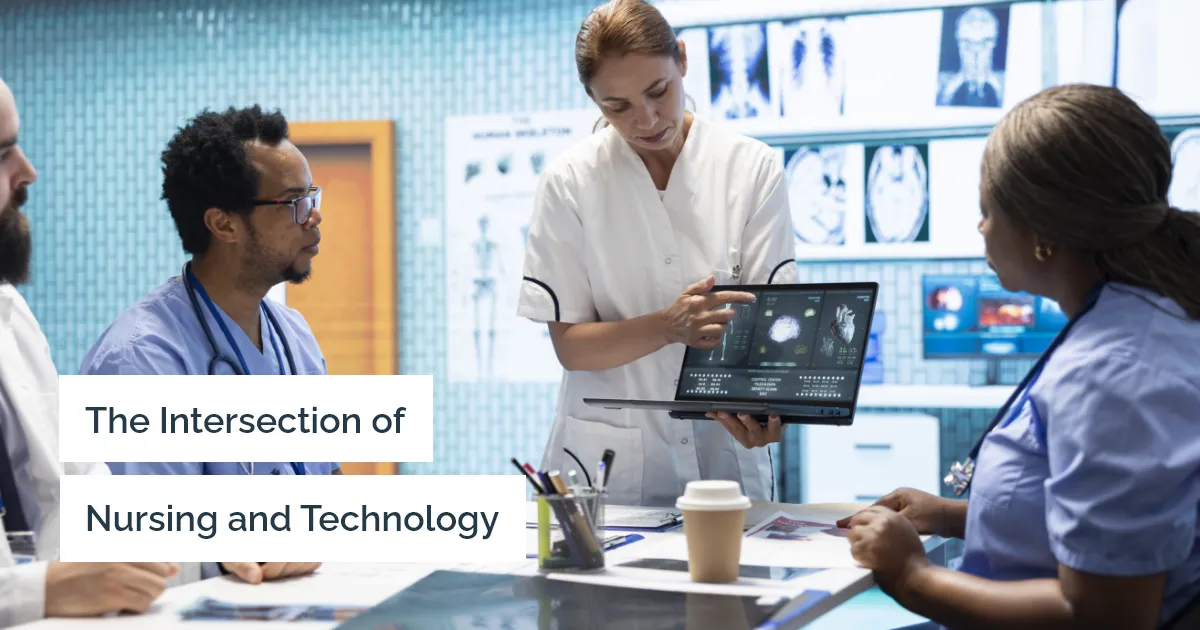
From time-saving software to life-saving equipment, technology in nursing is indispensable to enhancing patient care and outcomes, fostering nursing innovation, and promoting safety. Today's technology lets nurses improve processes, better manage workloads, and boost team communication. Best of all, nursing technology provides carers with more quality time to connect with their patients and include them in their care and treatment.
The Top New Technologies in Nursing
Nursing technology continues to improve, with almost unlimited applications. Let us explore these technologies that are transforming the nursing field to offer higher-quality patient care and outcomes.
Electronic Health Records (EHRs)
With EHR systems widely replacing paper charts and data, nurses can access patient information in real time. This effective data management application lowers mistakes, simplifies paperwork, and promotes communication within the healthcare team. One fast-growing sector that leverages EHR systems is nursing informatics, which combines technology and data to boost patient care.
Portable Diagnostic Devices
From handheld vital sign monitors to portable ECG and ultrasound gadgets, nurses may quickly and efficiently administer on-the-spot treatment in diverse health care settings. These technologies also allow patients to be more involved in their treatment and health management from their homes. Self-monitoring allows patients to increase communication and teamwork with their healthcare team.
Robotic Assistance
Robotic "colleagues" assist eases nurse’s tasks, saving precious time, energy, and physical and emotional strain. Cobots, or collaborative robots, undertake repetitive activities so nurses may focus on more critical problems. They also aid with physically intensive jobs to prevent workplace injuries. Robotic carts can take over regular jobs, including transferring lab specimens, disposable equipment, and prescriptions. There’s even artificial intelligence (AI) to draw blood.
Electronic Medication Management Systems (EMMS)
EMMS is crucial in expediting medication management, decreasing mistakes, and enhancing patient safety. The system comprises features for prescribing, administering, dispensing, reviewing, and disposing of medicine. EMMS also lowers the possibility of mistakes due to illegible handwriting, inaccurate prescriptions, or dosage instructions.
Telehealth increases opportunities for Care
The COVID-19 crisis spurred the introduction of telehealth technology, and it continues to be necessary in helping nurses contact patients outside the clinical environment. Those in rural places or with restricted mobility can obtain medical consultations and follow-up treatment from home. Telehealth also allows carers to remotely monitor patients with chronic diseases.
Improving patient care through technology
With the help of technology nurses helps patients using high-tech gait training equipment with a virtual reality screen, highlighting the integration of sophisticated technology in nursing rehabilitation.
New nursing technology delivers cost-effective solutions, promotes safety, improves patient outcomes, and offers a better work-life balance for nurses.
Let’s look at different ways technology influences nursing practice.
Technology facilitates communication
From text messaging applications to standardised tools that rectify miscommunications in patient handoffs, new communications technology helps nursing teams eliminate fragmented care and make procedures run more cohesively.
Patients have improved access to medical records
Patients have the right under Australian privacy law to examine their medical records when asked. Having safe and modern EHR software that’s straightforward and intuitive makes the delivery process effortless. It also empowers patients by providing them greater influence over decisions about their health.
Fewer obstacles lead to better health equity. People in distant locations in Australia are more likely to die prematurely from heart disease, cancer, and stroke. Telehealth can enable access to elderly and immunocompromised patients, especially those with restricted mobility or who reside in rural places.
Less job demands lessen nurse burnout. Nurses spend up to one-third of their shift completing basic duties like gathering supplies and picking up prescriptions. Technologies like smart wearable sensors that collect medical data and computerised medication management systems that expedite operations might reduce time-consuming obligations. These economies help nurses focus on more important activities and quality patient time while lowering the risk of nursing burnout.
In conclusion, by adopting new technology in nursing as it develops, carers may work more effectively to offer the best possible patient care. It also plays a key role in lessening the obstacles nurses confront routinely, lowering nurse fatigue, and boosting overall quality of care.
If you are interested in the field of nursing, get in touch with us at MWT Education Consultancy for more information.

Written by
Antony Thejewel
ENQUIRE NOW
September 22, 2026
Study in Australia in 2026–2027
Australia has confirmed a National Planning Level of 295,000 new overseas student commencements for 2027, maintaining the same level as 2026. The announcement reinforces Australia’s continued commitment to international education while managing student growth through a structured system.
September 11, 2026
Why Clinical Communication is a Core Nursing Skill in Australia
Explore why clinical communication is essential in Australian nursing and how it supports patient safety, clinical care, teamwork, and effective communication in healthcare settings.
June 24, 2026
Complete Guide To Arriving In Canada As An International Student
This guide helps international students prepare for their arrival in Canada by explaining the CBSA inspection process, required documents, common border questions, and how to answer them confidently.
June 22, 2026
Understanding the AHPRA Self-Check
Building a nursing career abroad offers opportunities for growth, international exposure, and professional development. Australia is a popular choice due to its regulated healthcare system and high professional standards, attracting many internationally qualified nurses seeking to practise as Registered Nurses (RNs).
June 18, 2026
Why Eligible Nurses Still Miss Opportunities
Meeting Australia’s nursing eligibility requirements is a major achievement, but it does not guarantee immediate progress. Learn why the registration journey often pauses here and what you can do to keep your plans moving forward.
May 26, 2026
Nurses Stepping into International Nursing
Becoming an internationally registered nurse is a major achievement, but succeeding within a global healthcare system requires far more than clinical ability alone. This blog explores how communication, workplace etiquette, adaptability, teamwork, and professional conduct shape the reputation of international nurses working abroad.
April 30, 2026
Is Your GNM Qualification Enough for a Nursing Career in Australia
Struggling to understand why your GNM qualification does not meet Australian nursing registration standards? Find out why this qualification gap exists and how the GCAN program provides the exact bridge to your Australian career.
April 30, 2026
AHPRA’s Revised English Test Scores for 2026
With AHPRA’s 2026 English language score updates now officially in effect, internationally qualified nurses must adapt to a revised assessment structure. While the basic proficiency standard remains unchanged, specific section scores for tests like the PTE, OET, and Cambridge C1 have been recalibrated. Read MWT Education Consultancy's expert breakdown to discover the exact numerical changes and learn how this new scoring structure impacts your registration timeline.
January 29, 2026
Nursing Careers Abroad 2026
Discover why nurses are increasingly pursuing overseas careers for global exposure, advanced skills, and long-term professional growth.
November 03, 2025
Study Nursing in Australia: The Best Time to Become a Registered Nurse
Dreaming of a nursing career in Australia? Explore the best time to start your studies, registration steps, and career prospects for international students.