
November 14, 2024
How to Recognise Early Signs of Burnout Symptoms and Improve Your Nursing Career?
by Antony Thejewel
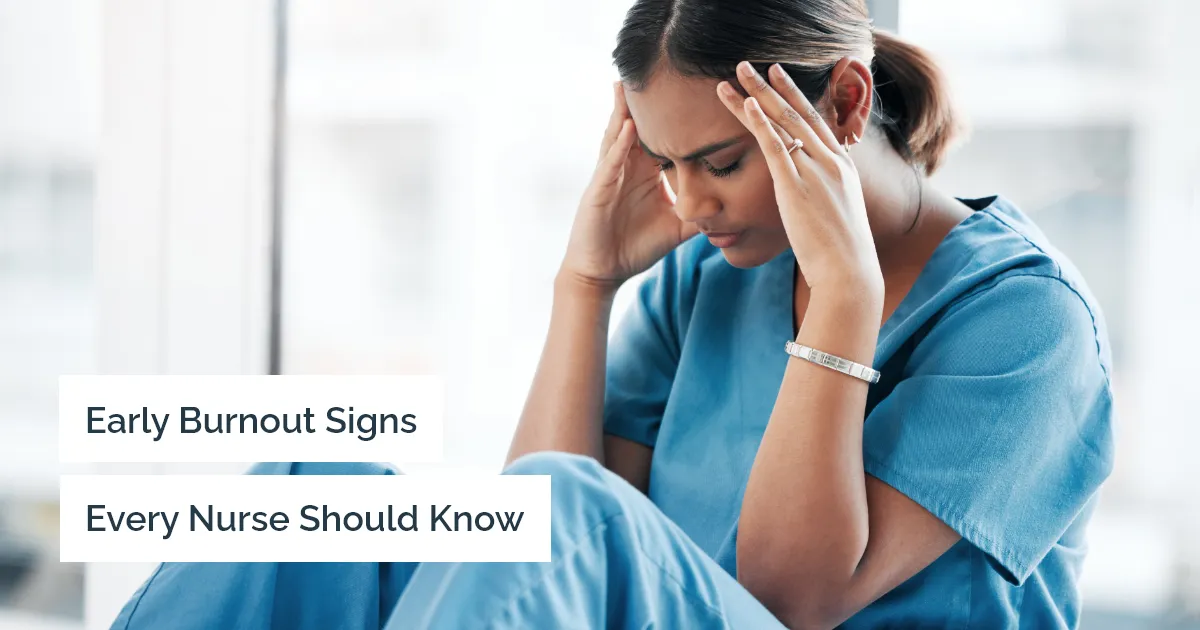
Are you feeling exhausted all the time? Do you struggle to keep attentive throughout shifts? Does it seem like even your greatest efforts aren’t enough? Recognising early nurse burnout signs like these is the first step to reducing harm. Early management can prevent burnout from progressing into a more serious condition.
In this blog, let’s learn about nurse burnout symptoms, what to check for, and techniques for prevention and management.
Understanding nurse burnout
Burnout is characterised as being emotionally, cognitively, and physically drained from extended and severe stress. In nursing, burnout is typically the result of severe workload, long hours, and emotional demands of patient care. The World Health Organisation defines burnout as a “occupational phenomenon.”
Burnout is described as feelings of depleted energy or exhaustion: Nurses might feel emotionally exhausted and burdened by their work. You may feel unable to deliver the kind of care that you formerly offered, leading to a sense of powerlessness and exhaustion.
You may experience increased mental distance from your work or patients, or sentiments of negativism or cynicism relating to your career. You might begin to doubt your competence and feel that your efforts aren’t making a difference.
You should watch out for these nurse burnout symptoms
Here are some nurse burnout indicators to watch for, in yourself and your nursing colleagues:
- Depression: Nurses may suffer sentiments of hopelessness and melancholy throughout shifts.
- Decreased job satisfaction: You may feel alienated from your work, losing the enthusiasm you previously had for nursing. You could discover you’re dreading coming to work or experiencing a sense of relaxation only while you leave your workplace.
- Chronic fatigue: You may feel fatigued even after a full night’s sleep, and struggle to find the energy to finish chores.
- Insomnia: You can have difficulties in going to asleep, and find yourself lying awake at night, wondering about work-related concerns.
- Irritability: Burnout can prompt nurses to snap at coworkers or feel agitated about little situations.
- Emotional detachment: You may fail to sympathise with patients and coworkers, becoming more detached in your relationships.
- Decline in job performance: Red flags include trouble concentrating or making judgements.
- Anxiety. You may experience a sense of being overwhelmed, even with duties that were formerly regular.
- Increased absenteeism: Are you calling in sick more often, or finding yourself arriving at work late? Those might suggest you’re failing to deal with the responsibilities of your nursing profession.
- Physical symptoms: Burnout can emerge as headaches, muscular tension, gastrointestinal difficulties, or a compromised immune system.
How to take action on nurse burnout symptoms?
If you detect any of the aforementioned nursing burnout signs, you should take immediate action. Start by paying great attention to your bodily and emotional conditions. Burnout can induce persistent tiredness, sleeplessness, anxiety, and depression. These symptoms, if left ignored, can progress to more serious mental health difficulties, such as major depressive disorder or anxiety disorders. The same is true of chronic stress linked with burnout, which raises the risk of cardiovascular diseases and other stress-related ailments.
Early detection allows for prompt response, to lessen these dangers. Here are some steps you can take:
- Prioritise self-care.
- Seek support from coworkers or arrange an appointment with a mental health expert.
- Consider discussing workload modifications with managers.
- Regularly practice stress alleviation strategies. Mindfulness, exercise, and enough rest help minimise the development of burnout.
- Adopt healthier lifestyle choices. Regular exercise, appropriate nutrition, and enough relaxation help prevent the detrimental consequences of burnout.
How to watch out for these nurse burnout symptoms?
Nurses must be on the alert for nurse burnout signs. The same is true of nursing leadership. Healthcare organisations can take early action, utilising these approaches:
- Promote work-life balance. Regular breaks, flexible scheduling, and receiving adequate time off to recuperate can assist to prevent burnout.
- Create a supportive work atmosphere, where nurses feel appreciated and heard. Opportunities for professional growth, and honouring nursing successes, can increase morale and reduce burnout.
- Provide mental health support. Counselling and support groups can help nurses cope with the emotional demands of their profession. Programs such as mindfulness, meditation and time management can allow nurses to handle stress more successfully.
- Address workload difficulties. Reducing excessive workloads and ensuring adequate personnel are crucial for preventing burnout. Employers should analyse workforce needs periodically and take action to rectify any shortages.
- Encourage peer support. Fostering a sense of camaraderie among nursing staff helps enhance connections and reduce burnout. Peer support groups and team-building exercises give a network of support.
In conclusion, overall, early action on your burnout symptoms can help you feel more appreciated and supported. By knowing more about nursing burnout symptoms, you can take steps to lessen its impact. Early detection, prevention tactics, and proactive approaches can ensure a sustainable, healthy nursing environment.
If you are seeking a change in your nursing career or want to improve your current profile, feel free to get in touch us at MWT Education Consultancy for more information.

Written by
Antony Thejewel
ENQUIRE NOW
September 22, 2026
Study in Australia in 2026–2027
Australia has confirmed a National Planning Level of 295,000 new overseas student commencements for 2027, maintaining the same level as 2026. The announcement reinforces Australia’s continued commitment to international education while managing student growth through a structured system.
September 11, 2026
Why Clinical Communication is a Core Nursing Skill in Australia
Explore why clinical communication is essential in Australian nursing and how it supports patient safety, clinical care, teamwork, and effective communication in healthcare settings.
June 24, 2026
Complete Guide To Arriving In Canada As An International Student
This guide helps international students prepare for their arrival in Canada by explaining the CBSA inspection process, required documents, common border questions, and how to answer them confidently.
June 22, 2026
Understanding the AHPRA Self-Check
Building a nursing career abroad offers opportunities for growth, international exposure, and professional development. Australia is a popular choice due to its regulated healthcare system and high professional standards, attracting many internationally qualified nurses seeking to practise as Registered Nurses (RNs).
June 18, 2026
Why Eligible Nurses Still Miss Opportunities
Meeting Australia’s nursing eligibility requirements is a major achievement, but it does not guarantee immediate progress. Learn why the registration journey often pauses here and what you can do to keep your plans moving forward.
May 26, 2026
Nurses Stepping into International Nursing
Becoming an internationally registered nurse is a major achievement, but succeeding within a global healthcare system requires far more than clinical ability alone. This blog explores how communication, workplace etiquette, adaptability, teamwork, and professional conduct shape the reputation of international nurses working abroad.
April 30, 2026
Is Your GNM Qualification Enough for a Nursing Career in Australia
Struggling to understand why your GNM qualification does not meet Australian nursing registration standards? Find out why this qualification gap exists and how the GCAN program provides the exact bridge to your Australian career.
April 30, 2026
AHPRA’s Revised English Test Scores for 2026
With AHPRA’s 2026 English language score updates now officially in effect, internationally qualified nurses must adapt to a revised assessment structure. While the basic proficiency standard remains unchanged, specific section scores for tests like the PTE, OET, and Cambridge C1 have been recalibrated. Read MWT Education Consultancy's expert breakdown to discover the exact numerical changes and learn how this new scoring structure impacts your registration timeline.
January 29, 2026
Nursing Careers Abroad 2026
Discover why nurses are increasingly pursuing overseas careers for global exposure, advanced skills, and long-term professional growth.
November 03, 2025
Study Nursing in Australia: The Best Time to Become a Registered Nurse
Dreaming of a nursing career in Australia? Explore the best time to start your studies, registration steps, and career prospects for international students.