
March 11, 2024
How Does Palliative Care nursing program prepare healthcare professionals?
by Aleeja Saji
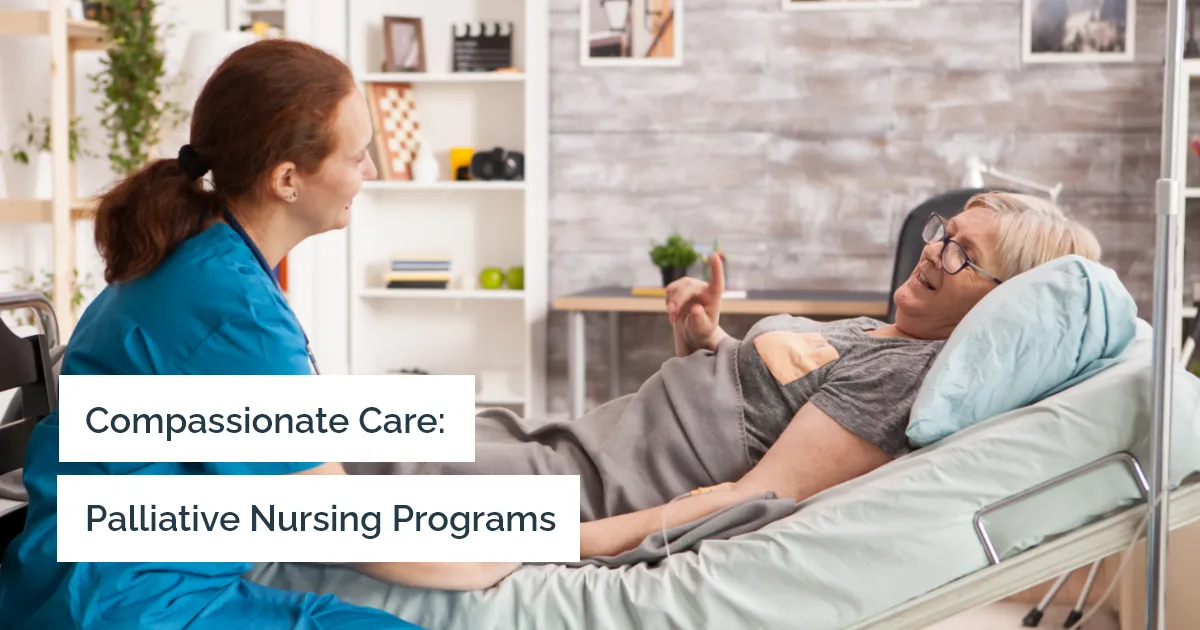
Healthcare professionals across the globe are constantly striving to refine how palliative care and end-of-life treatments are rendered. Given the escalating need for specialised nursing in this critical field, there is a growing emphasis on the Palliative Care nursing program. This program equips healthcare professionals with the necessary tools to offer significant assistance to patients in need, utilising their knowledge, resources, and skills. The focus here is primarily on the comfort and quality of life for patients grappling with these diseases. Development in palliative care is an ongoing process in Canada, posing a challenge to healthcare officials concerning planning and structuring palliative care services.
In this blog, we will learn how palliative care nursing program prepares you as a healthcare professional.
The Increasing Need for Hospice Palliative Care in Canada
In the sphere of end-of-life care, Hospice Palliative Care holds significant value. The program lends a much-needed hand to individuals approaching the end of their life and gives unyielding support to their loved ones.
The notable surge in the demand for Hospice Palliative Care in Canada further underlines the deep appreciation for the compassionate service that this program provides.
With ongoing research and continued innovation, the Hospice Palliative Care community is always seeking ways to make the dying process more bearable, bringing comfort to all involved. The assurance of having empathetic, skilled care providers can be a great source of relief amid challenging times.
To better understand the state of palliative care in Canada, consider the following figures:
- Approximately 54 hours of care weekly are necessary for an individual with a terminal illness.
- Canadian seniors constitute 75% of the annual deaths in Canada.
- The elderly Canadian population is projected to contribute between 6.1% to 6.5% to overall Canada's population by 2031.
What are the Goals of the Palliative Care Nursing Programs in Canada?
With the increasing demand for palliative care professionals, Canada's healthcare system recognises the importance of palliative care. Consequently, it has championed the development of several nursing programs specific to this area.
Developing Skilled Palliative Care Professionals
Primary objectives of nursing and allied health programs in palliative care in Canada involve the mentoring of competent professionals armed with critical knowledge and skills for impeccable patient-focused care.
These programs team nurses with the capability to evaluate, assess, and manage symptoms and to tailor care plans aligning with the patient needs.
This focus on cultivating skilled, compassionate, and ethical healthcare practitioners underlines the significance of these training programs.
Offering Essential Education and Training
Palliative Care Nursing Programs are designed to cater to the varied needs of different learners — graduate students, those pursuing a certificate, or professionals keen on Continuing Professional Development. The certified programs grant nurses the chance to engage in advanced learning while offering access to secondary, evidence-based resources, guidelines, and best practices.
Fostering Patient-focused Palliative Care
Palliative Care Nursing practices put an emphasis on incorporating patients' preferences and wishes into the process of care delivery. Patient-focused care is a pivotal element in palliative care, and the programs seek to prioritise this approach.
The programs equip the healthcare professionals with crucial communication and interpersonal skills indispensable for building therapeutic relationships with patients and their families.
Advancing Quality Care
Education provided by Palliative Care Nursing Programs is structured to promote ongoing improvements in quality of care. It imparts the necessary understanding and tools to healthcare professionals to assess care practices, deliver appropriate interventions, and identify areas for quality enhancement. By endorsing quality care, nursing professionals can assure patients, families, and caregivers of the high standard of care they receive.
Encouraging Continuous Learning
In Canada, Palliative Care Nursing programs motivate continuous learning, leadership, and advancement in palliative care. Nurses are encouraged to participate in research, conferences, and workshops to broaden their knowledge base and develop their leadership skills.
Skills That Define a Palliative Care Professional
Working in palliative care necessitates a distinctive set of skills and knowledge. Let's explore some fundamental skills that you require to flourish:
Strong Communication Skills
Communication skills are the mainstay for nurses in palliative care. Dealing with patients and families going through challenging times requires delivering comfort and clarity. Moreover, you must adeptly convey sensitive information regarding prognosis and end-of-life care plans.
Proficiency in Pain Management
Knowledge of pain management is integral to palliative care nursing. You should understand various kinds of pain, medications, and therapies available for symptom relief. Familiarity with non-drug interventions like massage therapy or acupuncture is also beneficial.
Sensitivity and Compassion
A high degree of sensitivity and empathy is vital while working in palliative care. With patients and families often reeling under deep emotional stress, you must respond courteously, understandingly, and respectfully.
Cultural Competence
Palliative care nurses may often interact with patients from diverse cultural backgrounds. Understanding cultural discrepancies can go a long way in building trust between you and the patient and addressing cultural sensitivities related to end-of-life care and religious practices.
Understanding Death and Dying
Being regularly exposed to death and dying situations can enhance their understanding of these processes. This experience allows you to provide emotional support to patients and their families. Moreover, you should be prepared to work with grieving families and navigate the physical process of dying.
Conclusion
Canada is efficient in delivering wholesome, cost-effective, and evidence-based strategies to address the existent gaps in healthcare programs in palliative care that helps in satisfying critical patient needs. If you are interested in the field of palliative care nursing, get in touch with our experts at MWT Education Consultancy to know more about study programs.

Written by
Aleeja Saji
ENQUIRE NOW
September 22, 2026
Study in Australia in 2026–2027
Australia has confirmed a National Planning Level of 295,000 new overseas student commencements for 2027, maintaining the same level as 2026. The announcement reinforces Australia’s continued commitment to international education while managing student growth through a structured system.
September 11, 2026
Why Clinical Communication is a Core Nursing Skill in Australia
Explore why clinical communication is essential in Australian nursing and how it supports patient safety, clinical care, teamwork, and effective communication in healthcare settings.
June 24, 2026
Complete Guide To Arriving In Canada As An International Student
This guide helps international students prepare for their arrival in Canada by explaining the CBSA inspection process, required documents, common border questions, and how to answer them confidently.
June 22, 2026
Understanding the AHPRA Self-Check
Building a nursing career abroad offers opportunities for growth, international exposure, and professional development. Australia is a popular choice due to its regulated healthcare system and high professional standards, attracting many internationally qualified nurses seeking to practise as Registered Nurses (RNs).
June 18, 2026
Why Eligible Nurses Still Miss Opportunities
Meeting Australia’s nursing eligibility requirements is a major achievement, but it does not guarantee immediate progress. Learn why the registration journey often pauses here and what you can do to keep your plans moving forward.
May 26, 2026
Nurses Stepping into International Nursing
Becoming an internationally registered nurse is a major achievement, but succeeding within a global healthcare system requires far more than clinical ability alone. This blog explores how communication, workplace etiquette, adaptability, teamwork, and professional conduct shape the reputation of international nurses working abroad.
April 30, 2026
Is Your GNM Qualification Enough for a Nursing Career in Australia
Struggling to understand why your GNM qualification does not meet Australian nursing registration standards? Find out why this qualification gap exists and how the GCAN program provides the exact bridge to your Australian career.
April 30, 2026
AHPRA’s Revised English Test Scores for 2026
With AHPRA’s 2026 English language score updates now officially in effect, internationally qualified nurses must adapt to a revised assessment structure. While the basic proficiency standard remains unchanged, specific section scores for tests like the PTE, OET, and Cambridge C1 have been recalibrated. Read MWT Education Consultancy's expert breakdown to discover the exact numerical changes and learn how this new scoring structure impacts your registration timeline.
January 29, 2026
Nursing Careers Abroad 2026
Discover why nurses are increasingly pursuing overseas careers for global exposure, advanced skills, and long-term professional growth.
November 03, 2025
Study Nursing in Australia: The Best Time to Become a Registered Nurse
Dreaming of a nursing career in Australia? Explore the best time to start your studies, registration steps, and career prospects for international students.